Scoliosis Exercises: Movements That Support the Spine
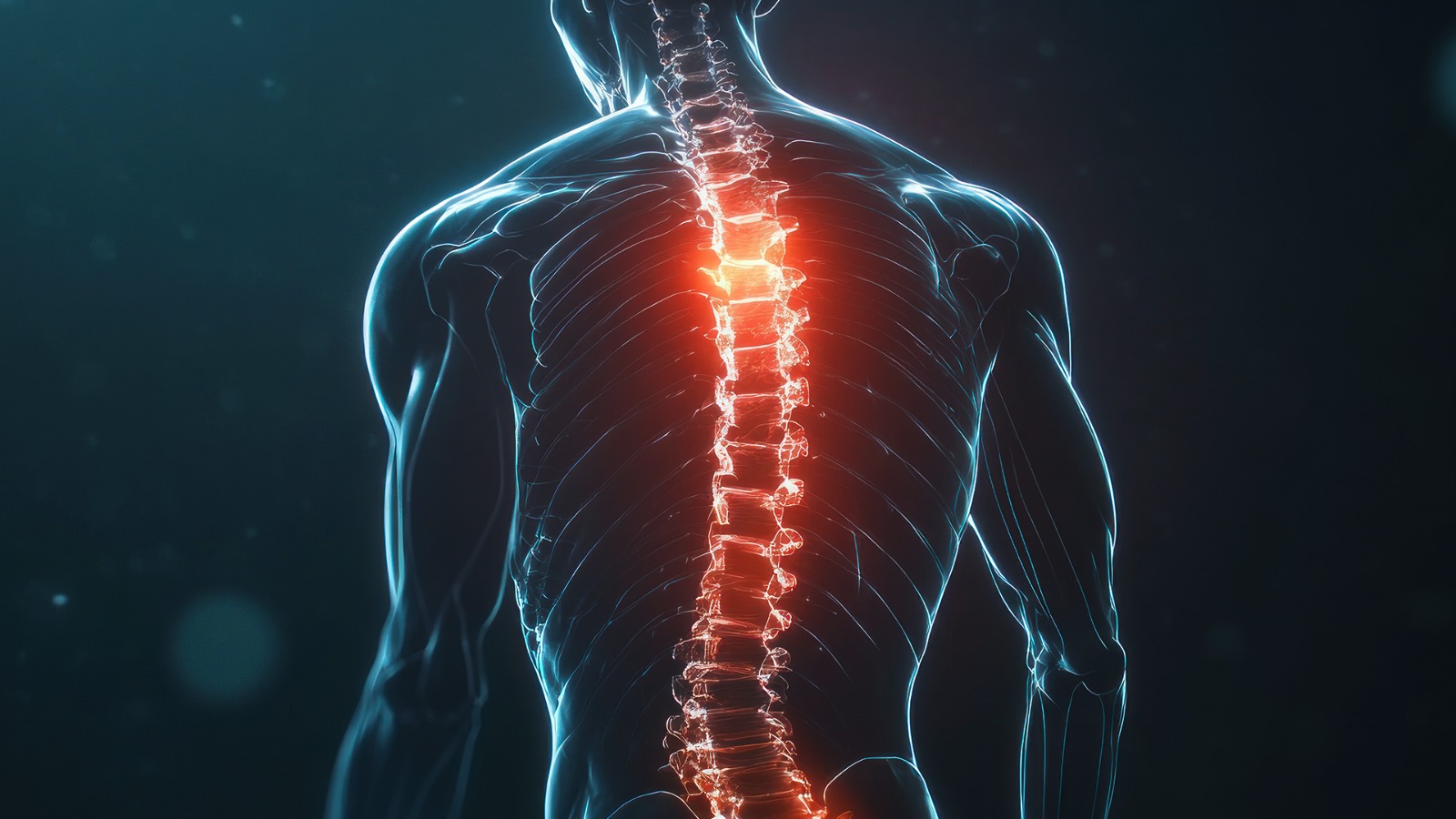
A scoliosis diagnosis does not mean you should stop moving. Quite the opposite — when done correctly, exercises can strengthen the muscles around the spine, slow the progression of the curve, reduce pain, and noticeably improve posture.
However, not every exercise suits every patient. The type, degree, and location of the curve — as well as the patient's age — directly determine which movements are beneficial and which may be harmful. For this reason, any exercise programme must be designed under the supervision of an orthopaedic specialist or physiotherapist.
Prof. Dr. Nurullah Ermiş considers exercise an integral part of treatment for his patients with scoliosis. In this guide you will find evidence-based approaches, important precautions, and answers to frequently asked questions.
Why Exercise Matters in Scoliosis
The muscles surrounding the spine — particularly the paraspinal muscles, abdominal muscles, and hip stabilisers — are the active supports that keep the spine upright. When these muscles weaken, the load on the curve increases and its progression becomes easier.
Evidence-based benefits of exercise therapy include:
• Strengthening spinal muscles and providing active support to the spine • Potentially slowing curve progression in growing children • Increasing postural awareness and improving daily habits • Reducing pain and muscle fatigue • Supporting respiratory capacity (especially in thoracic curves) • Accelerating recovery after surgery
Important: Exercise does not replace bracing or surgical treatment. Depending on the severity of the curve, these approaches are used in combination.
Key Exercise Approaches in Scoliosis
Several methods are prominent in both scientific literature and clinical practice:
Schroth Method This three-dimensional breathing and postural re-education method, developed in Germany, is one of the most extensively researched exercise approaches for scoliosis. It is based on the principle of actively realigning the spine through rotation and elongation. Learning from a trained physiotherapist is strongly recommended.
SEAS (Scientific Exercise Approach to Scoliosis) This Italian approach is built around active self-correction exercises the patient can perform independently. Combining it with brace treatment has shown promising results.
Core Stabilisation Exercises Exercises targeting the deep abdominal muscles (transversus abdominis) and multifidus support the dynamic balance of the spine. Pilates-based movements fall into this category.
Breathing Exercises Diaphragmatic and directional breathing exercises are important for preserving respiratory capacity, particularly in thoracic (chest-region) scoliosis.
Supportive Movements You Can Do at Home
The following movements support general spinal health; however, your personal exercise programme should always be determined by a specialist:
Cat-Cow In a hands-and-knees position, slowly arch and round the back alternately. Increases spinal flexibility and reduces muscle tension.
Bird-Dog From hands-and-knees, slowly extend the opposite arm and leg. Strengthens core muscles and improves balance coordination.
Modified Side Plank A side plank performed from the knees rather than the feet; strengthens lateral stabilisers and provides support in lateral curves.
Scapular Retraction Drawing the shoulder blades back and downward; strengthens the upper back muscles and corrects rounded-shoulder posture.
Pelvic Tilt Lying on the back, gently press the lower back into the floor and release; mobilises the lumbar region and activates the abdominal muscles.
Note: These movements are for general information purposes. Depending on the direction and location of the curve, some exercises may not be appropriate for a given patient.
Situations to Approach with Caution
Certain activities and exercises require careful consideration in patients with scoliosis:
• Heavy free-weight exercises: Can place excessive load on the spine if form is compromised • High-impact activities: During periods of active curve progression, running or jumping intensity may need to be reduced • Asymmetric load-bearing: Carrying a heavy bag on a single shoulder can worsen spinal asymmetry • Pain-inducing movements: If pain, numbness, or breathlessness occurs during any exercise, stop immediately and consult a specialist
Note: In mild curves (below 20°), swimming, walking, Pilates, and yoga can generally be performed safely. For curves between 20–45°, the programme should be designed with a physiotherapist.
When Should an Exercise Programme Begin?
The earlier exercise begins after a scoliosis diagnosis, the more beneficial it is. In growing children and adolescents — particularly those with a Cobb angle between 20–45° — regular exercise combined with bracing where necessary can help keep the curve under control without the need for surgery.
After surgery, the exercise programme typically begins 4–6 weeks post-operatively under physiotherapy supervision, with progress advanced step by step under the surgeon's approval.
Every patient's situation is different. Always consult a specialist before starting your exercise programme.