
Lumbar Disc Herniation Surgery: Walking on the Same Day with Microsurgery
What Is Lumbar Disc Herniation Surgery?
Are you experiencing lower back pain, numbness radiating to the legs, or weakness? These may often be symptoms of a lumbar disc herniation. A lumbar disc herniation occurs when spinal discs shift out of place and put pressure on nerves, and it is most commonly seen between the ages of 30 and 50. The first step in treatment is usually conservative methods. These include medication, physical therapy, spinal exercises, lifestyle changes, and lumbar supports. Most patients can manage their pain and continue daily activities with these methods. However, in some cases, conservative treatment may not be sufficient. If there are symptoms such as severe pain, loss of strength in the legs, or problems with bladder or bowel control, surgery may be required.
How Is Lumbar Disc Herniation Surgery Performed?
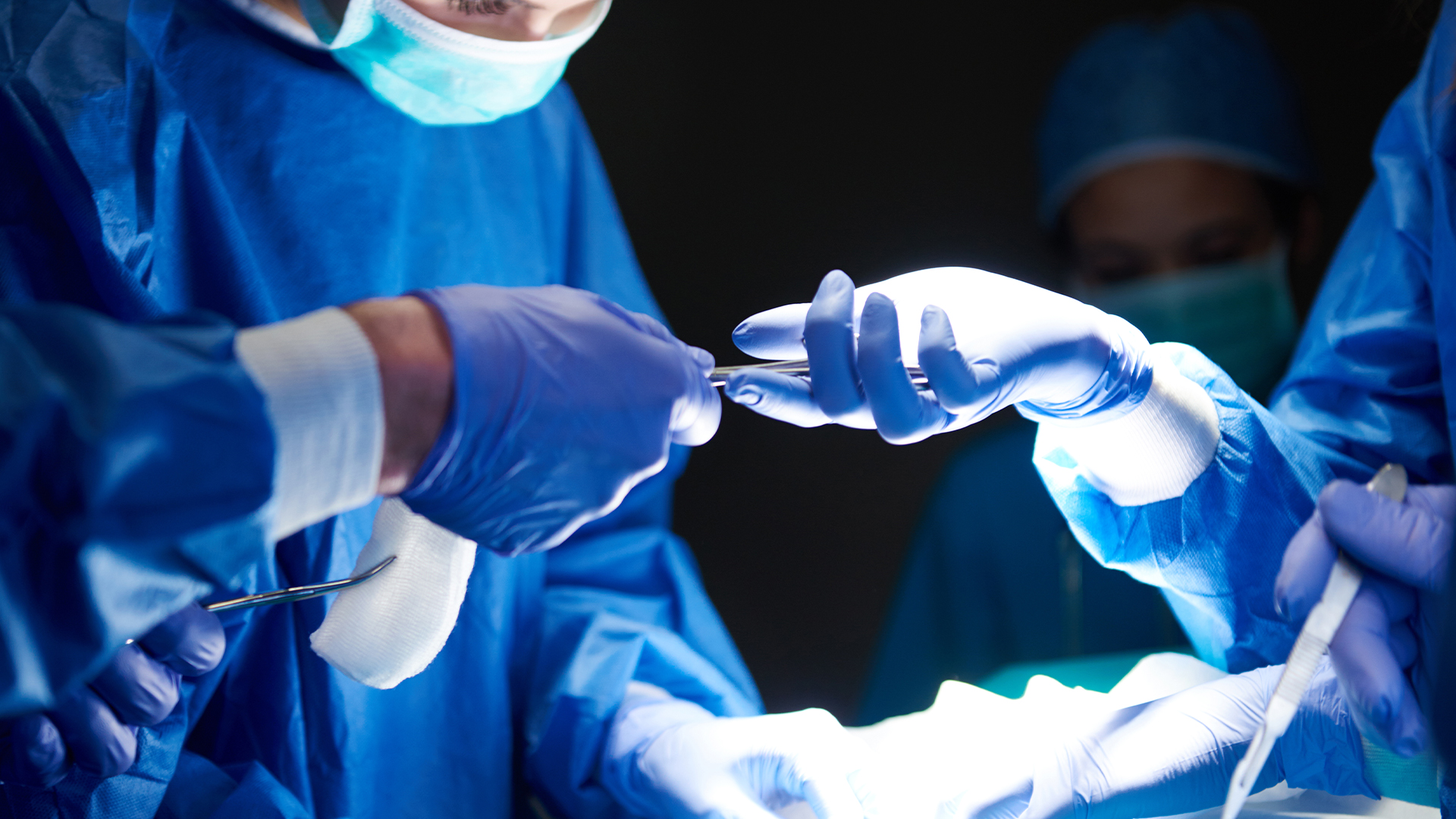
Lumbar disc herniation surgery is generally performed using microsurgical or endoscopic methods. During the procedure, the herniated disc material is removed and the pressure on the nerve is relieved. Thanks to modern medical techniques, surgeries are performed with high success rates, and patients can usually return to their daily lives in a short time.
Postoperative Process
After microsurgery, most of the sciatic pain usually decreases in the first days, but full nerve recovery may take 3–6 months; mild tingling during this period is considered normal. To accelerate recovery, it is very important to avoid heavy lifting and bending forward during the first 4–6 weeks after surgery, start core exercises under the supervision of a physiotherapist, and take short walks 2–3 times a day. Additionally, smoking should be stopped if possible, as it slows down recovery.
Risk of Recurrent Herniation
The risk of recurrent herniation after surgery is approximately 5–8 out of every 100 operations. To reduce this risk, weight control, regular core exercises, and proper lifting techniques are very important. If herniation recurs, microdiscectomy or endoscopic discectomy methods can be successfully applied.