
Prof. Dr. Nurullah Ermiş
Knee & Hip Replacement
Knee & Hip Replacement Nedir?
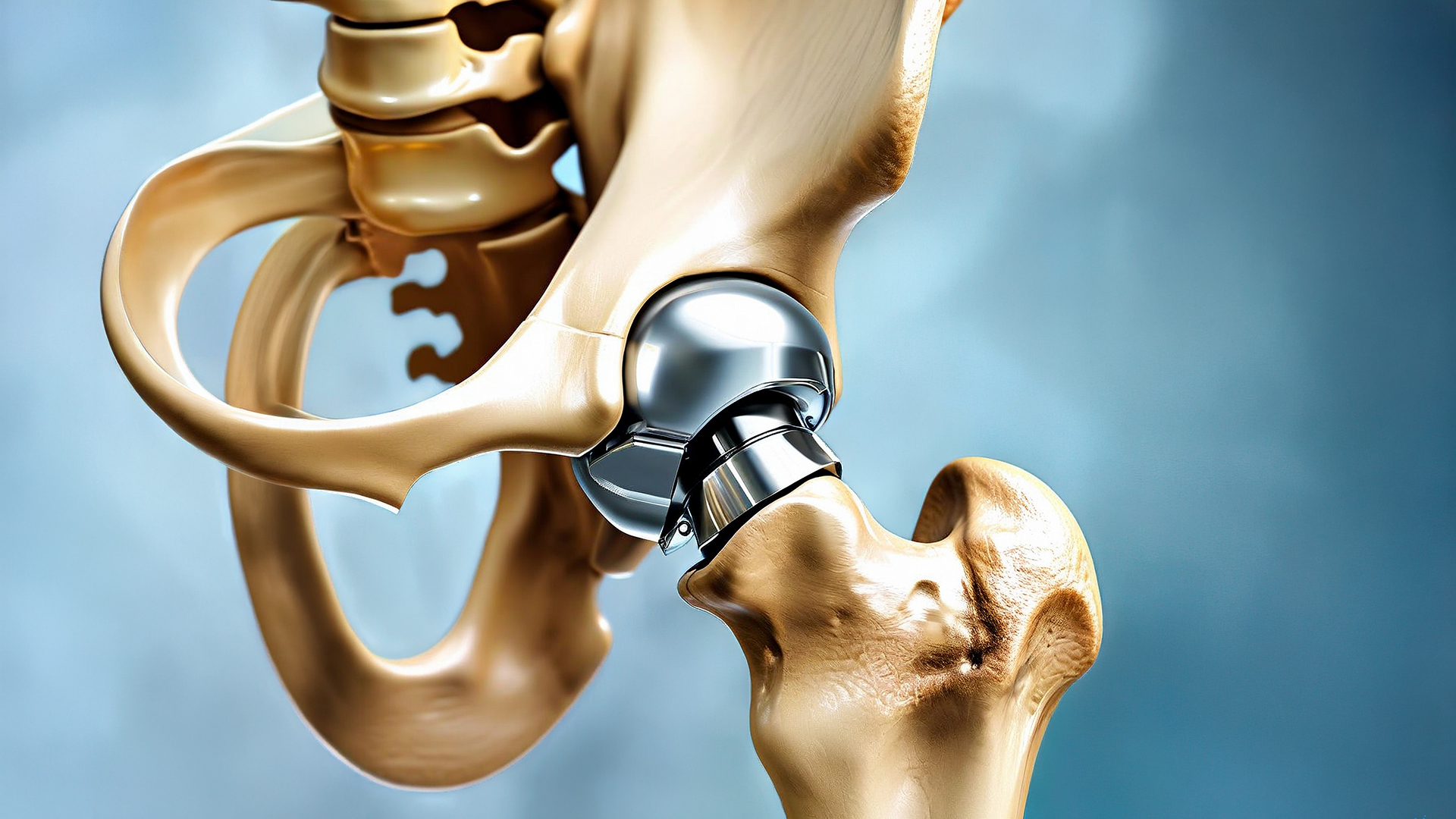
Knee and hip replacement — total joint arthroplasty — is the surgical replacement of joint surfaces damaged by advanced osteoarthritis, rheumatoid arthritis, avascular necrosis, or post-traumatic joint destruction with highly biocompatible implants consisting of metal alloys, ceramics, and specialized polyethylene components. The primary goals of a successful arthroplasty are to eliminate or substantially relieve chronic joint pain, restore joint range of motion, and permanently improve the patient's capacity for independent ambulation and daily activities. After surgery, the vast majority of patients begin walking the next day, are discharged on day 2 or 3, and return fully to daily life within 6 to 12 weeks.
The introduction of robotic surgical platforms and computer-assisted navigation systems into clinical practice in recent years has brought fundamental advances to joint replacement. These technologies allow implant size and positioning to be planned preoperatively on a patient-specific 3D bone model with millimetric precision, and during surgery real-time feedback prevents unplanned cuts from being made. As a result, limb alignment is optimized, the need for revision due to aseptic loosening or surface wear is reduced, and long-term implant survival is extended.
Prof. Dr. Ermiş performs total knee and hip replacement using both robotic assistance and advanced navigation systems. In hip replacement, the minimally invasive direct anterior approach (DAA) allows the abductor muscles to be preserved rather than divided — the surgeon passes between existing muscle intervals. This results in noticeably less postoperative pain and swelling, a dramatically lower dislocation risk, the ability to bear full weight immediately, and a markedly accelerated rehabilitation course.
Planning knee and hip replacement should never rely on X-ray findings alone. Factors such as whether the pain disrupts sleep, how much stair climbing and walking capacity have decreased, whether osteoarthritis symptoms persist despite medication, and how much independence the patient has lost in daily life must also be considered. When joint replacement is performed at the right time, it can restore mobility, reduce chronic pain, and allow a stronger return to social and physical activity.
A comprehensive arthroplasty evaluation also includes bone quality, body weight, range-of-motion loss, deformity severity, ligament balance in the knee, limb length discrepancy in the hip, and the patient's cardiovascular and metabolic risk profile. The purpose of this planning is not only to decide whether surgery is needed, but also to define the safest implant strategy and rehabilitation pathway for that individual patient.
Recovery after joint replacement begins immediately after surgery. Pain-control protocols, early walking, blood clot prevention, swelling management, stair training, and a home-exercise program all shape the final result as much as the procedure itself. For this reason, successful knee and hip replacement should be considered a structured process that extends from preoperative preparation to long-term strengthening and lifestyle adaptation.
Tedavi Sonuçları
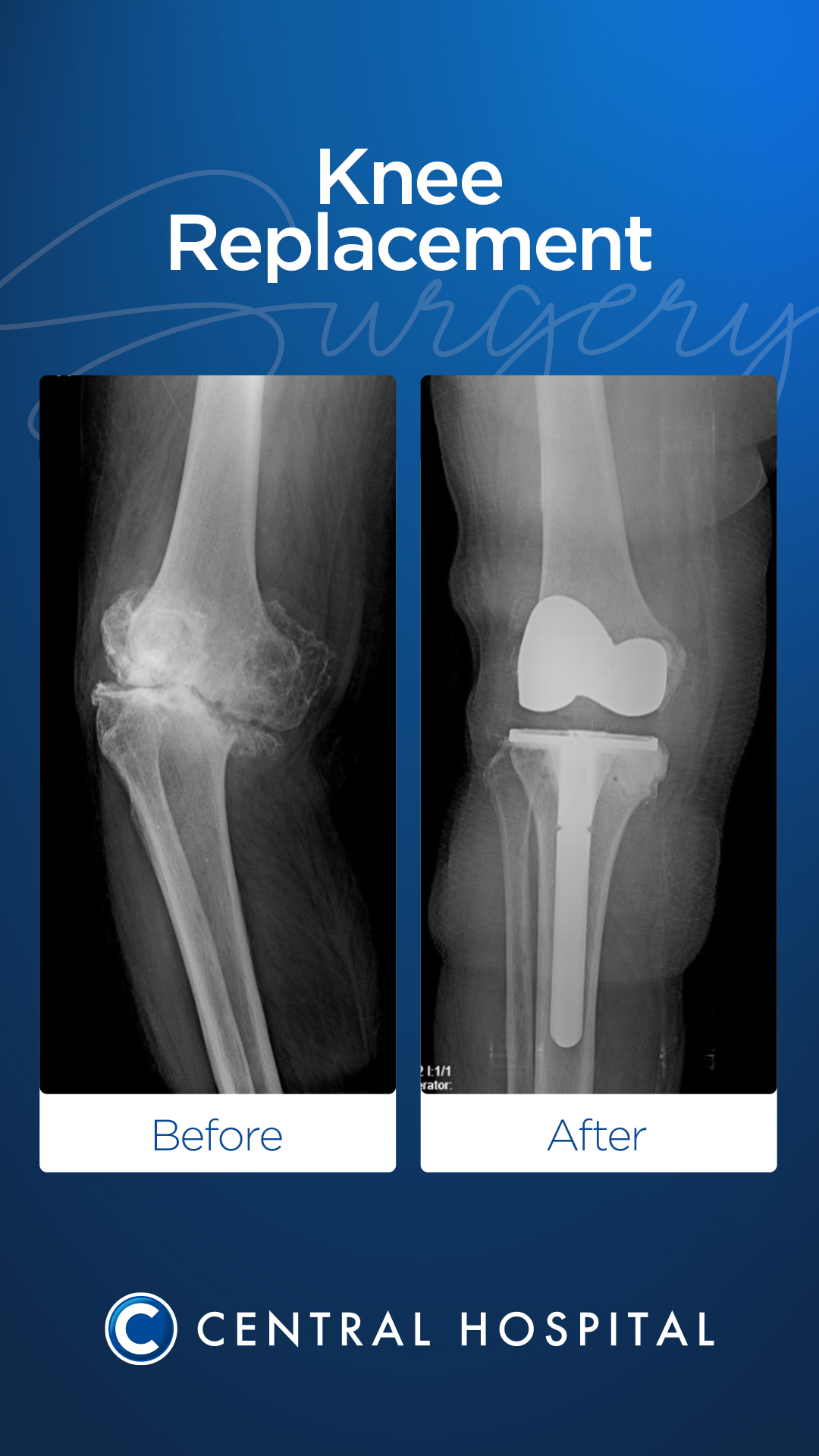
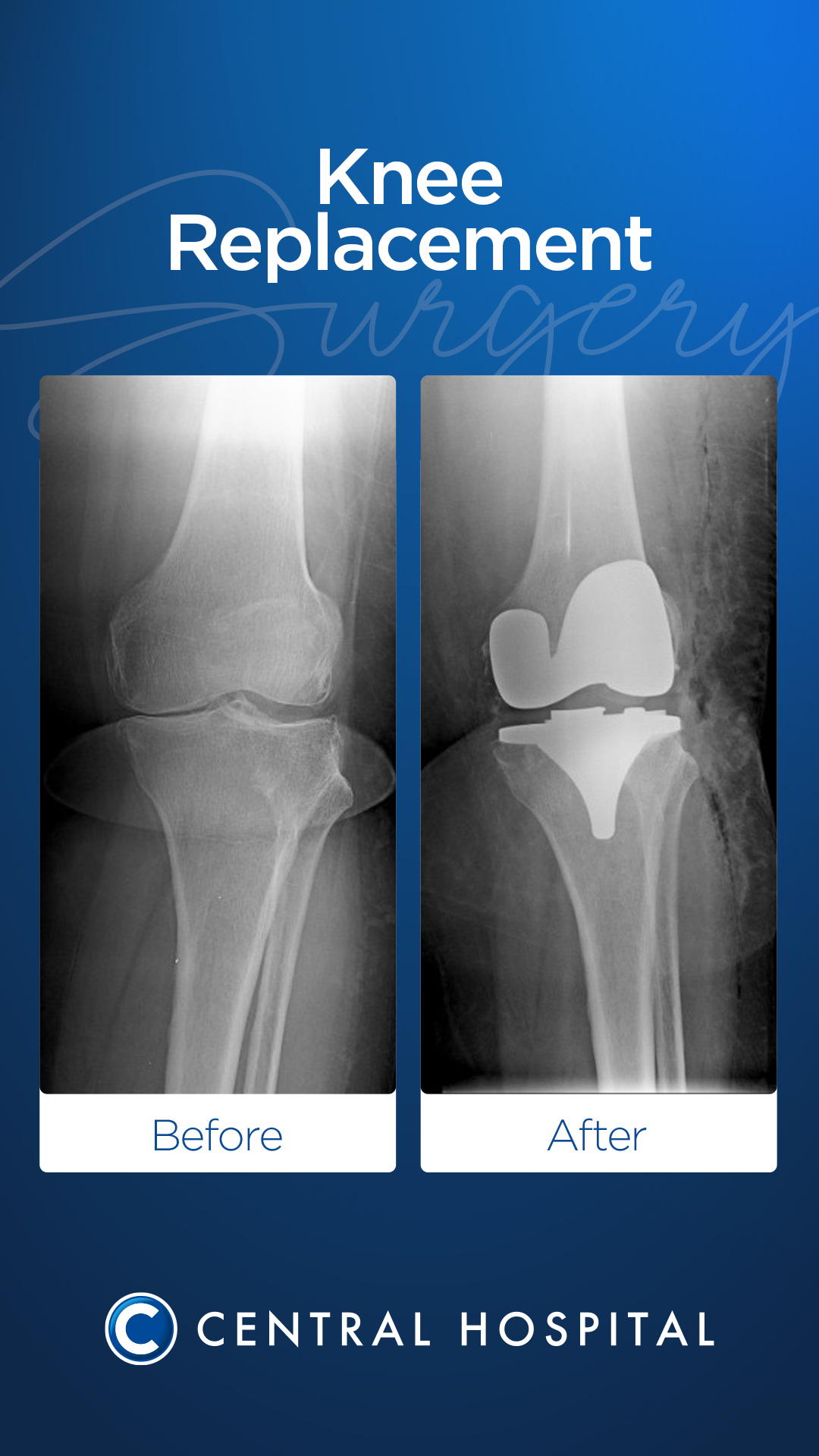
Hastalarımızın Tedavi Sonuçları
Prof. Dr. Ermiş'in gerçekleştirdiği başarılı operasyonlardan derlenen vaka örnekleri.
1 / 5
Belirtiler - Ne Zaman Doktora Gitmelisiniz?
- Unbearable pain with stair climbing and long-distance walking that severely diminishes quality of life
- Morning joint stiffness and difficulty with the first steps, typically lasting more than 30 minutes
- Marked loss of joint range of motion, inability to fully flex the knee or hip
- Chronic pain and rest pain that wake the patient at night
- Analgesics no longer providing adequate or lasting relief
- Need for a cane or walker and loss of independence in daily activities
- Joint swelling, warmth, and crepitation (crackling sounds) in the knee or hip
Tedavi Yöntemleri
Robotic-Assisted Total Knee Replacement
The robotic-assisted total knee replacement procedure begins before the patient enters the operating room: a patient-specific 3D bone model is created from preoperative imaging and the implant size, positioning angles, and leg mechanics are digitally planned. Cartilage thickness, bone loss, and ligament tension are all taken into account to create the most appropriate surgical plan. In the operating room, the robotic arm continuously tracks bony reference points placed around the knee; when movement approaches the boundary of the planned safe working zone, the system automatically restricts further advancement. This enables the femoral and tibial cuts to be executed with millimetric accuracy and ensures that the reconstructed limb is aligned along the neutral mechanical axis. Compared with conventional techniques, implant malalignment is significantly reduced, soft tissue balance is more reliably achieved, and patient-reported knee function scores improve more rapidly in the postoperative period. The cobalt-chromium femoral component, highly cross-linked polyethylene tibial insert, and patellar component together resurface the entire joint; supervised physiotherapy-guided walking begins the morning after surgery.
Total Hip Replacement (Anterior Approach)
The direct anterior approach (DAA) is a minimally invasive surgical technique that accesses the femoral head and acetabulum (hip socket) through the natural interval between existing muscle planes at the front of the hip. Unlike posterior or lateral approaches, the abductor muscle group (gluteus medius and minimus) and the piriformis tendon — the primary stabilizers of the hip — are not divided; the surgeon passes between pre-existing intermuscular spaces. This fundamental distinction results in significantly less postoperative pain, a dislocation rate below 1%, and the ability to bear full weight and walk with physiotherapist guidance the morning after surgery. Fluoroscopic (live X-ray) guidance is used intraoperatively to verify ideal cup and stem angulation, leg-length equality, and offset restoration. Patients can typically return to desk work at 6 weeks and to virtually all daily activities by 3 months.
Sıkça Sorulan Sorular
How long does a knee replacement last?
According to current literature, 90 to 95% of modern titanium and highly cross-linked polyethylene implants continue to function successfully for 20 to 25 years. The primary factors that negatively affect implant longevity are severe obesity (BMI above 40), high-impact sports such as running, basketball, and skiing, and smoking. Bone density, surgical precision, and patient adherence to rehabilitation are also critical variables that influence long-term implant survival.
Can patients climb stairs after knee replacement?
Yes. Once the rehabilitation program is completed — generally within 6 to 12 weeks after surgery — climbing stairs, low-intensity walking, cycling, swimming, golf, and driving are all possible. Activities that generate forces several times greater than body weight, such as running, jumping, and heavy lifting, can accelerate wear of the prosthetic components and are generally discouraged.
Can a hip replacement dislocate?
With the posterior approach, dislocation rates of 1 to 3% have been reported; with the direct anterior approach, this drops to below 1%. Modern dual-mobility cup designs reduce dislocation risk even further. Following the recommended precautions during the first 6 weeks — avoiding excessive hip flexion beyond 90 degrees, internal rotation, and adduction, and adhering to the advised sleep position — minimizes this risk in practice.
At what age is replacement surgery performed?
There is no strict age limit for arthroplasty; the decision is individualized based on the degree of joint damage, the impact on quality of life, the patient's overall health status, and surgical risk. Studies show that success rates for prostheses performed in patients in their 50s are not significantly different from those in the 65 to 70 age group. For patients under 50, long-term planning with implant longevity in mind is necessary, which is why it is generally expected that all conservative options have been exhausted before surgery is considered.
Knee & Hip Replacement için randevu alın
Prof. Dr. Ermiş ile uzman değerlendirmesi için hemen iletişime geçin.